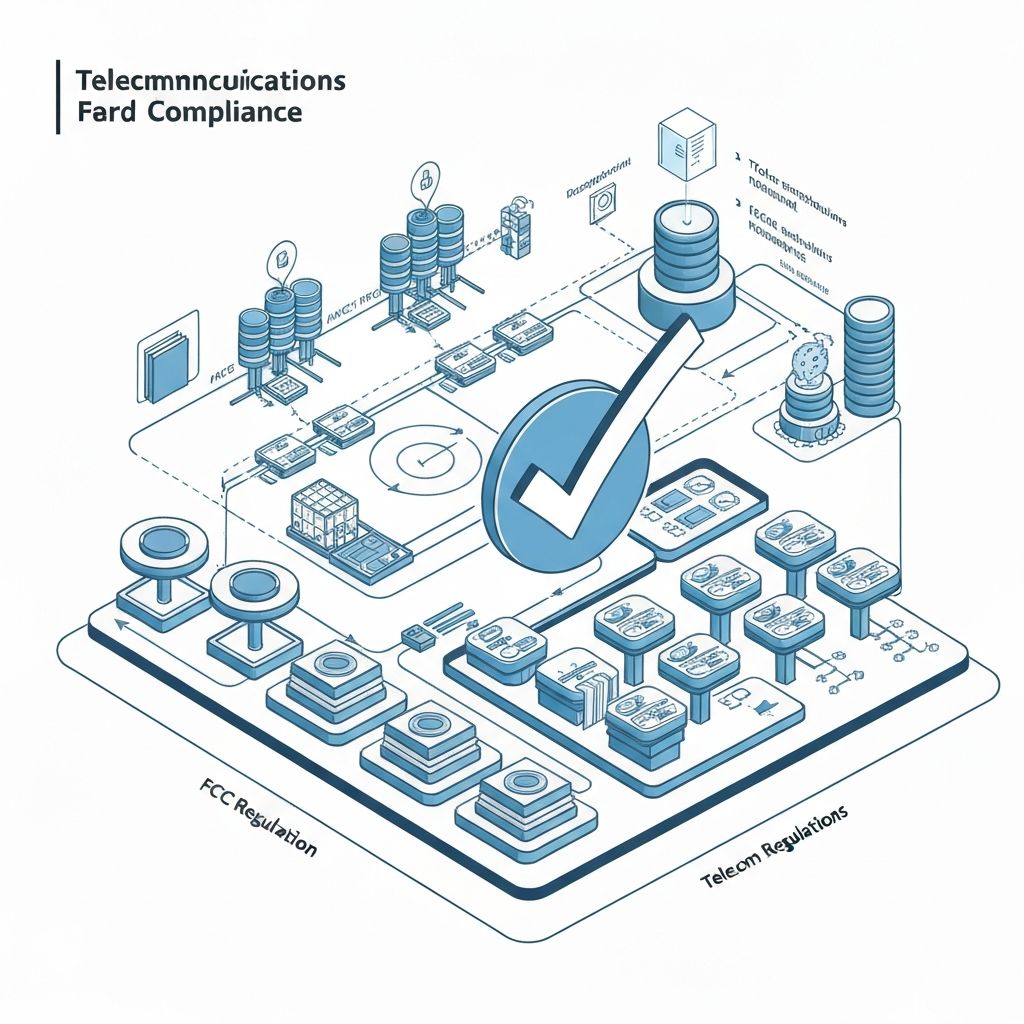
The telecommunications industry operates under strict regulatory frameworks designed to protect consumers, ensure fair competition, and maintain network integrity. Compliance is not optional—it's fundamental to business operations, and violations can result in substantial fines and operational restrictions. Understanding these requirements is essential for any organization operating in the telecom space.
Key Regulatory Areas in Telecommunications
Telecommunications compliance spans numerous regulatory domains:
- Number Portability (LNP): Allows customers to switch providers while keeping their phone numbers, protecting consumer choice.
- STIR/SHAKEN: Caller authentication framework prevents robocall spoofing and protects network integrity.
- Emergency Services Routing (E911): Ensures accurate location data is provided to emergency responders.
- Do Not Call (DNC) Registry: Restricts telemarketing to numbers on the national registry.
- Recording and Consent Requirements: Varies by jurisdiction but typically requires two-party or one-party consent.
- Accessibility Standards (ADA, WCAG): Services must be accessible to people with disabilities.
Regional Compliance Differences
Different regions have dramatically different requirements. Organizations operating internationally must navigate these complex requirements carefully. The European Union's Electronic Communications Code, for example, differs significantly from U.S. FCC regulations.
United States Regulations
The Federal Communications Commission (FCC) enforces telecommunications regulations in the U.S. Key regulations include the Telephone Consumer Protection Act (TCPA), which prohibits telemarketing to cell phones without prior express written consent. The FCC also established the STIR/SHAKEN framework to combat robocalling, requiring network operators to implement caller authentication technology.
European Union Requirements
The European Electronic Communications Code requires privacy protection, consent for marketing communications, and strong data protection measures aligned with GDPR. EU regulations are generally more stringent than their U.S. counterparts, particularly regarding customer consent and data protection.
Asia-Pacific Considerations
The Asia-Pacific region includes diverse regulatory environments. Singapore's Personal Data Protection Act, Australia's Telecommunications Act, and Japan's Act on the Protection of Personal Information each impose unique requirements that organizations must address individually.
Implementing Compliance Measures
Successful compliance requires a systematic approach. First, conduct a comprehensive audit of current operations against applicable regulations. Identify gaps between current practices and regulatory requirements. Develop remediation plans with clear timelines and accountability.
Documentation is critical. Maintain records of compliance efforts, including policies, procedures, training records, and audit results. Regular reviews ensure compliance measures remain effective as regulations evolve. Many organizations establish a dedicated compliance team or engage external consultants to ensure expertise and objectivity.
Working with Compliant Telecommunications Providers
Working with compliant telecommunications providers ensures your organization meets all regulatory obligations while minimizing legal risk. These providers invest in compliance infrastructure and maintain expertise in evolving regulations. They handle much of the compliance burden, allowing your organization to focus on core business activities.
Reputable providers conduct regular compliance audits, maintain up-to-date certifications, and provide documentation to support your compliance efforts. They also participate in industry forums where regulatory developments are discussed and anticipated.
The Cost of Non-Compliance
Regulatory violations can result in substantial penalties. The FCC has imposed fines exceeding $100 million in major cases. Beyond financial penalties, non-compliance can result in:
- Service disruptions or revocation of licenses
- Operational restrictions limiting business growth
- Reputational damage affecting customer relationships
- Legal liability for non-compliance-related harms
- Increased regulatory scrutiny of all future operations
Ensure Your Operations Stay Compliant
MKC Tech provides compliant telecommunications services across 200+ countries with built-in regulatory compliance and audit support.
Learn About Our Compliance Programs